in Canberra, 🇦🇺
in Canberra, 🇦🇺
About
We are a small Australian publication, built for appreciators of democracy and societal progression.
Paperbark looks at the forces shaping Australian life: policy, the economy, climate and culture. It also follows global shifts, but always asks the same question: what does this mean for Australia?
It is a home for slow, careful explanations that read like clear thinking. Stories are evidence based, plainly written, and stitched together from documents, data and lived experience so that complexity feels readable again.
Paperbark is independent. Accuracy and honest description of the evidence matter more than ideology, branding or party loyalty.

Why it exists
Much of public debate rewards speed and certainty. Paperbark is a small attempt to reward slowness instead, to sit with evidence, admit doubt where it belongs and still come to a clear point of view.
The publication will rarely be the first place you hear about a story. Ideally, it is the place you visit once the dust has settled and you want to understand what actually changed, both for Australia and in the wider world.
The aim is not to be neutral for its own sake. The aim is to be predictable in method: careful reading, transparent reasoning and a consistent preference for accuracy over ideology.
How it is written
Stories start from something specific such as a bill, a budget line, a local town or a single match. From there, they trace the systems around it: the rules, incentives and histories that shape what happens next.
We draw from public records, academic work, interviews and data, not to impress but to inform. Each piece is structured so readers can follow the logic without specialist training. The rule is simple: be precise, be honest about uncertainty, and write as if the reader's time is valuable.
What we believe in
- Readers can handle complexity when they are given time, structure and honest signposting of what is fact and what is judgement.
- Evidence comes first. Numbers, documents and lived experience should shape the story more than vibes, branding or partisan spin.
- Calm writing is not the same as neutrality. It is possible to be clear and fair without being bland.
- Local details matter. Australia is the anchor point, but the wider world is always in the frame.
- Trust is built slowly, piece by piece, by acknowledging uncertainty and correcting mistakes in the open.
- Accuracy matters more than ideology. No party, faction or tribe gets a permanent discount.
Ideological disclosure
Political Compass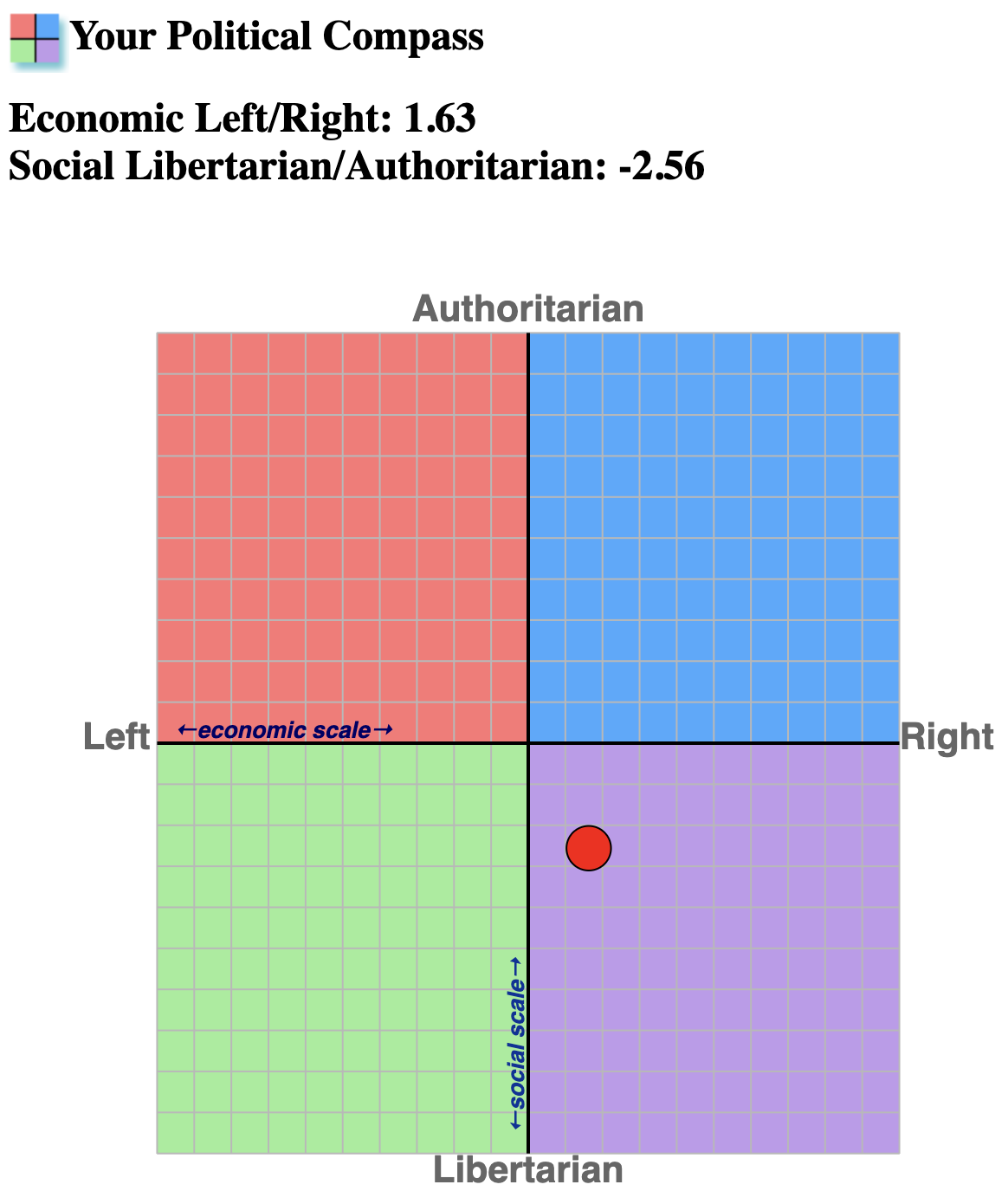
Who it is for
Paperbark is for people who build, teach, plan, research, design, organise in their communities, or simply like understanding how things fit together. It assumes curiosity, not expertise.
You do not need to agree with every conclusion. You only need to care that the reasoning holds up and that the facts have been treated with care.